Introduction
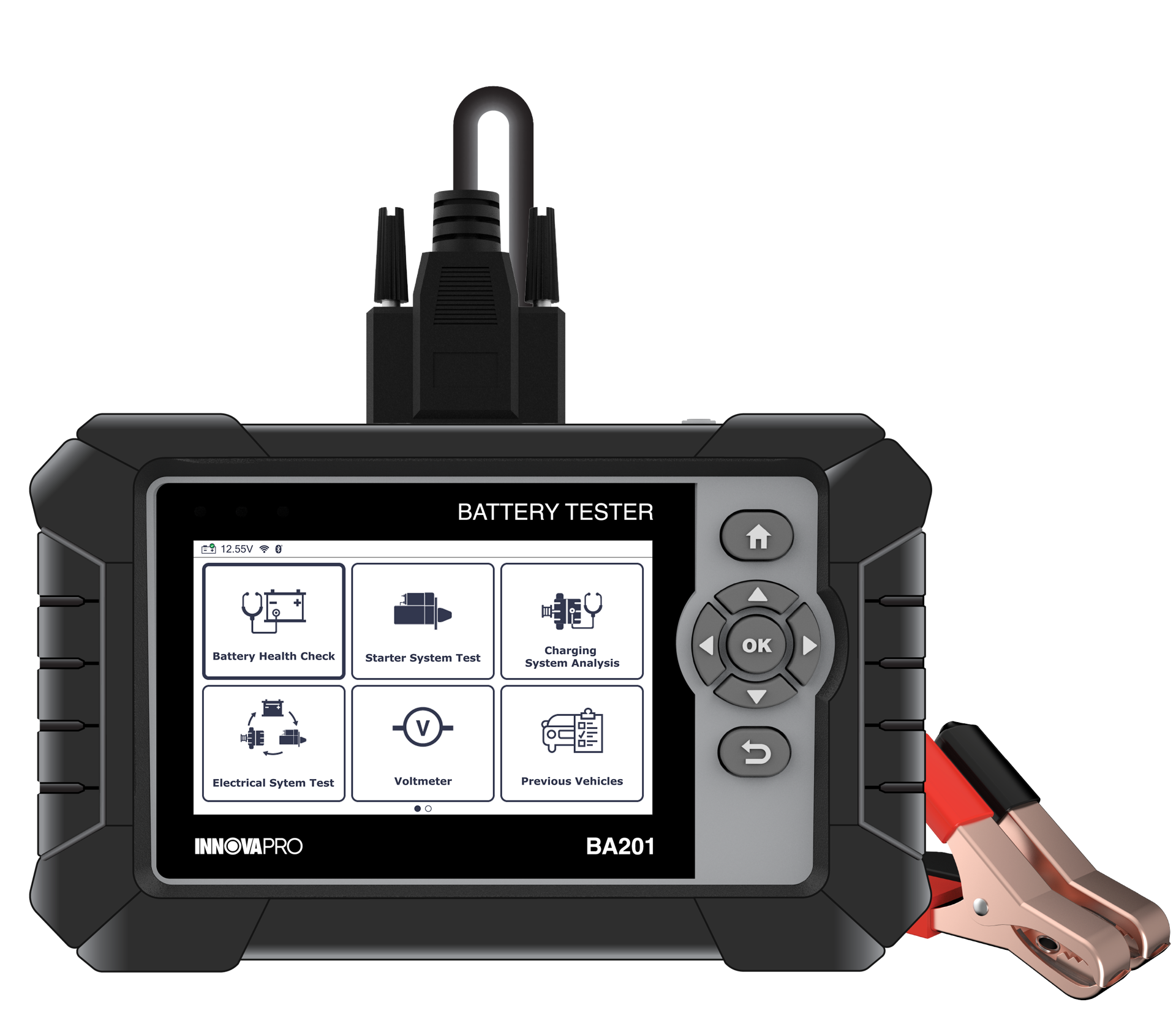
Monitoring a vehicle's electrical system in good condition is important in ensuring the vehicle operates reliably. The Voltmeter (12 V) function on the INNOVAPRO BA201 Battery Tester is designed to evaluate the status of the electrical system when operating by continuously measuring the voltage of the vehicle’s battery and electrical system. This evaluation provides helpful information about the battery's status, making it easier to identify problems before a critical fault or failure occurs. This article explains how to use the Voltmeter (12 V) function on the Battery Tester.
Procedure
NOTE: Before utilizing the tool, connect the test clamps to the battery terminals to begin the test.
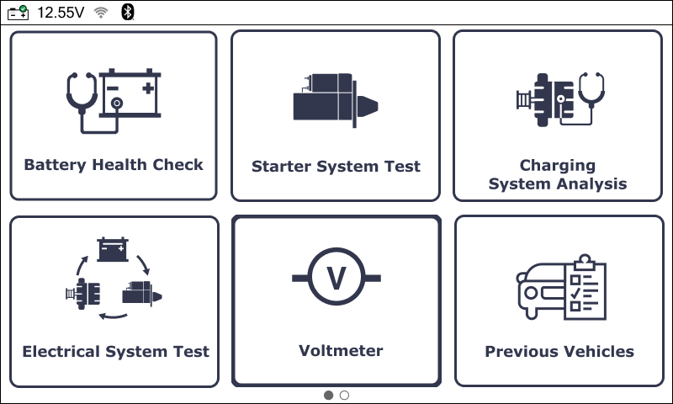
Step 1: From the Home Screen, select the Voltmeter (12 V) Test function, then press the OK button.
NOTE: If there are problems with the connection of the test clamps to the battery, an “advisory” message displays, indicating that the connection needs to be rechecked before trying again.
Step 2: The measured DC voltage value displays.
NOTE: The voltage measurement range is from 6V to 24V (DC). To ensure the device operates correctly, do not exceed this range.
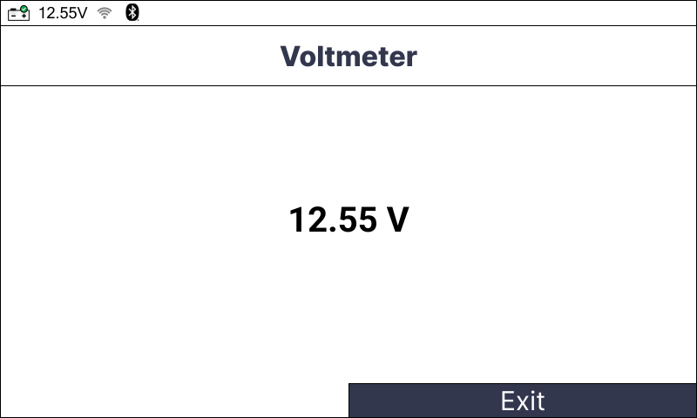
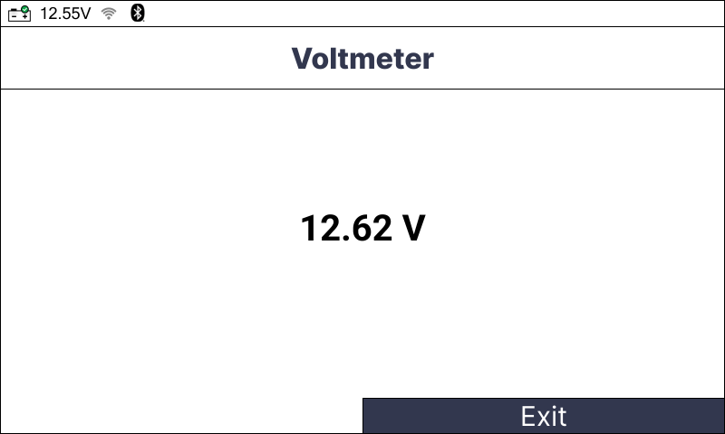
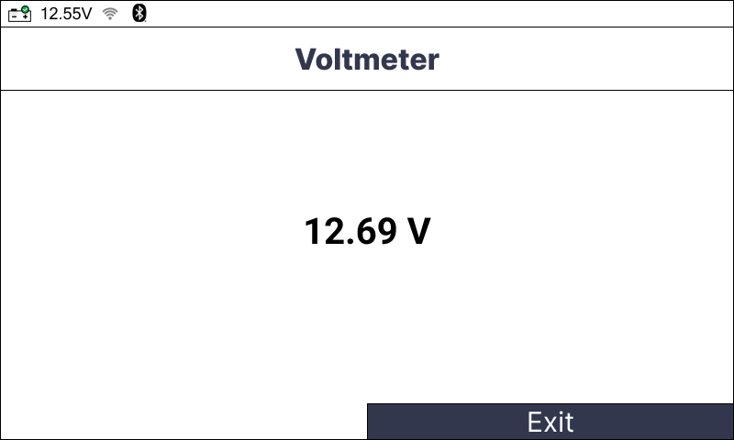
Step 3: Once the results have been finished viewing, select Exit and press the OK button to finish the test and return to the Home Screen.
Conclusion
In summary, the Voltmeter (12 V) function provides a direct and continuous method for monitoring the real-time voltage of the vehicle's battery and electrical system. By functioning similarly to a standard digital multimeter (DMM), it equips users with instant, live voltage data to effectively observe electrical performance and identify potential voltage irregularities within the 6V to 24V (DC) range. This straightforward measurement capability makes it a practical and essential tool for quickly assessing the overall electrical health of the vehicle.
Disclaimer
This content is subject to change without notice. The information has been carefully reviewed and is believed to be accurate based on our research and findings. It is intended as a guide, not a definitive procedure. We accept no responsibility for inaccuracies. Vehicle-specific test settings may be required.
Copyright 2026 IEC. All rights reserved

